The public will never realize what happened. That's the stark reality of how politics often works behind closed doors in state capitols and Washington, D.C. — especially when it comes to combating fraud in government programs.
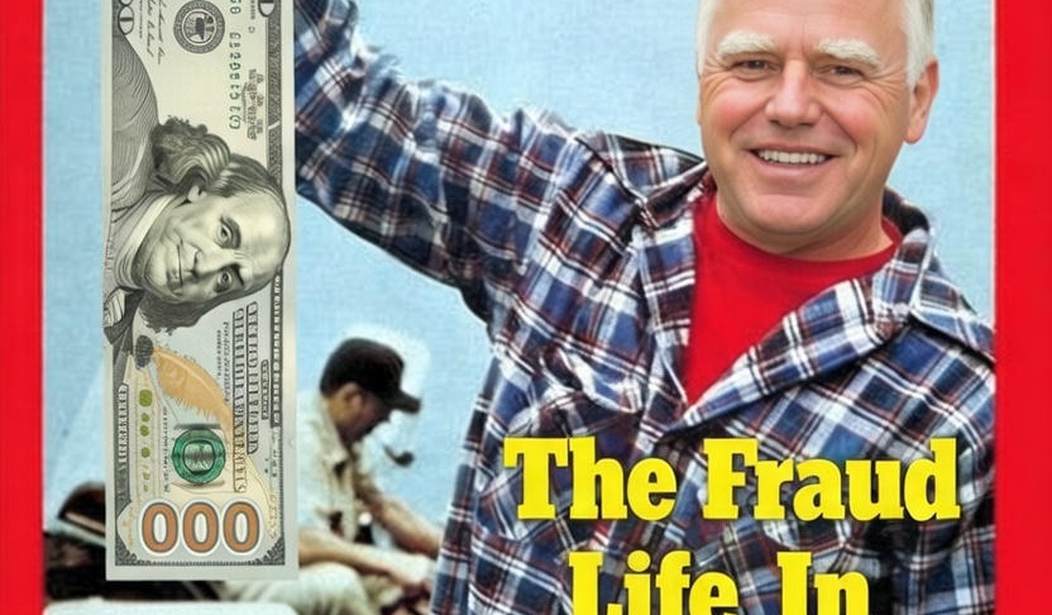
Minnesota has become a national embarrassment on this front. Billions in taxpayer dollars have vanished into fraudulent schemes across welfare, childcare assistance, and other services. The issue has drawn congressional scrutiny, with hearings exposing how state agencies under Gov. Tim Walz allegedly suppressed reports and punished whistleblowers. Republicans and Democrats alike claim they want to stop it. Yet in our evenly divided House in Minnesota — currently a 67-67 tie — every bill demands bipartisan cooperation.
What we've seen this session is Democrats professing support for fraud prevention while quietly blocking nearly every Republican proposal. They can't just vote no and admit opposition outright. Instead, they craft narratives to justify killing bills without owning the policy defeat.
I personally carried one such bill in the House Fraud Prevention and State Agency Oversight Committee. It was straightforward: Allow public disclosure of a state agency's investigation into a taxpayer-funded service provider—but **only** under two strict conditions.
1. The agency has already reduced, suspended, or withheld payments to that provider.
2. The provider has already been notified of the investigation.
Only then could the existence of the probe be disclosed upon specific request. In plain terms: If you're receiving public money to serve vulnerable people (like children in childcare), and the state has already acted because something appears seriously wrong, taxpayers deserve to know. That's it—no more, no less.
In the fraud committee's initial hearing, agencies and Democrats raised a legitimate concern: Disclosing an investigation could tip off the subject, allowing them to destroy evidence, coordinate stories, or flee. I took that seriously and committed to amending the bill in the next committee to prevent any such compromise—ensuring disclosure applied only where the subject was already aware and no ongoing risk existed.
It seemed like a good-faith negotiation. But that "concern" was tactical. Politicians who want to kill a bill often use two plays:
- Claim a technical flaw; blame the author if they won't fix it.
- If the author fixes it, change the subject entirely.
That's exactly what happened next in the Children and Families Committee. Discussion of the policy evaporated. Instead, the hearing flooded with coordinated testimony from childcare providers claiming the bill would lead to harassment and "doxing" of innocent providers.
Testifiers repeated themes: Threats, disgusting acts at centers, ICE activity causing lockdowns, death threats, and a fear of further exposure tied to the viral YouTube video by Nick Shirley investigating alleged fraud in some Somali-run childcare programs. One lobbyist echoed the same talking points. This wasn't spontaneous—it was orchestrated.
But the bill's triggers make the "harassment" claim nonsensical. Disclosure happens only after payments are already curtailed and the provider is notified. It wouldn't affect innocent providers or spark new investigations. The only ones impacted are those who've already given the state cause for serious action.
Yet the hearing became an emotional spectacle about already-illegal harassment—redirecting focus from transparency to victimhood. When I pushed back, noting these crimes should be prosecuted vigorously by law enforcement—not used to block oversight—I was accused of insensitivity.
Democrat co-chair Carlie Kotyza-Witthuhn launched into a personal rant, calling my response "disgusting," violating committee rules on decorum. When challenged, the performance escalated: portray Republicans as cruel for refusing false blame.
A final attempt to shame me involved recalling a testifier to emphasize "honor in listening to women attacked by men." I responded with empathy for victims of real threats—offering full support for severe penalties against such criminals—but insisted our job is policy, not conflating separate issues.
In the end, the bill died on a tied vote. Every Democrat opposed it.
Their strategy backfired in one key way: Silence. No viral clips, no social media victory laps, no edited outrage portraying me as the villain. They knew the narrative wouldn't hold under scrutiny.
This isn't just about one bill or one hearing. It's how the system really operates. Legislative procedure is opaque to most voters. Politicians exploit that with emotional narratives, procedural games, and selective storytelling—claiming support for popular ideas while ensuring they never become law.
The more people understand these tactics, the harder it becomes to deceive them. That's why shining a light on the process matters. When truth prevails, no one fears exposure.
Minnesota taxpayers deserve real accountability—not theater. Fraud in our programs isn't a bug; too often, it's enabled by a lack of transparency. Until we demand better, the cycle continues.