During the opening week of Minnesota’s 2026 legislative session, lawmakers took up a bill that should be uncontroversial: requiring age verification for adult websites. In plain English, pornography.
And yet, what unfolded during that hearing ought to concern every parent in the state.
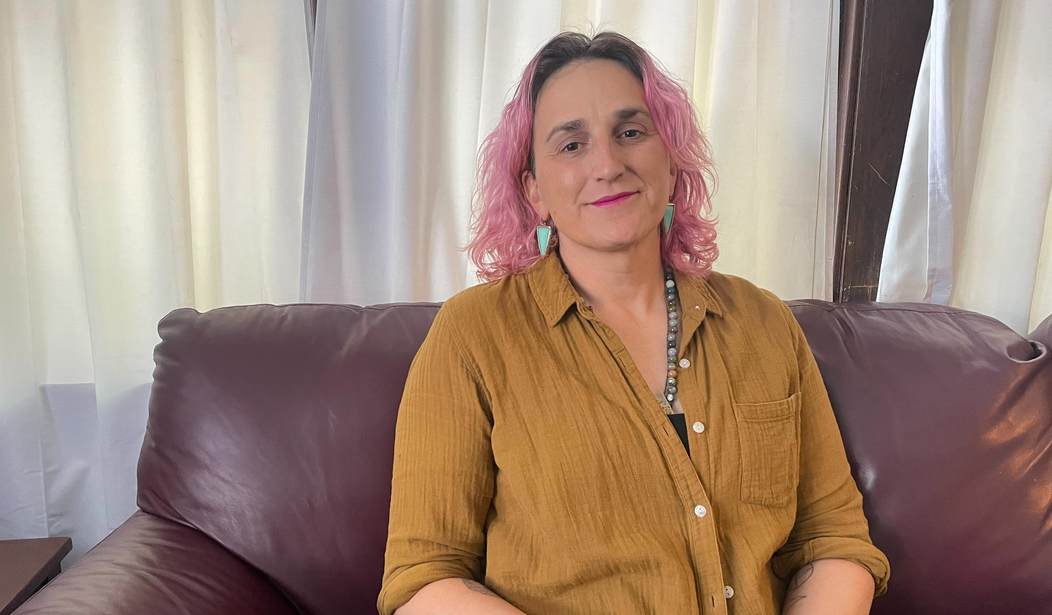
At the center of the controversy were comments made by transgender state representative Leigh Finke, who suggested that restrictions on minors’ access to online pornography could harm “queer” youth. According to the argument presented, some attorneys general in various states are “almost jubilant” about using age-verification laws to block young people from accessing content that, in this view, might serve as educational material for LGBTQ students—particularly in environments where schools allegedly fail to provide inclusive sex education.
What did he just say? 😱
— AK Kamara (@realakkamara) February 20, 2026
Trans-idenitifying Minnesota Democrat State Representative Leigh Finke is arguing that restricting porn access for children is bad!!!
I swear this dude is demonically possessed or oppressed
pic.twitter.com/AdHsIOfwcU
Let’s be very clear about what that implies.
The underlying claim is that pornography can function as a substitute form of sex education for minors—specifically for LGBTQ youth who may feel underserved by traditional curricula.
That should set off alarm bells for every parent in Minnesota, regardless of political affiliation, religious belief, or views on gender identity.
Whatever one believes about how schools should handle sex education, pornography is not education. It is commercialized adult content produced for adult consumption. No serious, responsible adult should argue that children require access to explicit material in order to understand their bodies, their feelings, or their identities.
To be fair, let’s slow down and grant the strongest possible version of the opposing argument. Some critics of traditional sex ed contend that it inadequately addresses LGBTQ topics. They argue that queer teens may search online for information they can’t find in school or at home.
Even if you accept that premise, it does not logically follow that minors should have unrestricted access to commercial pornographic websites.
Those are fundamentally different categories.
Educational resources can be developed. Medical guidance can be provided. Age-appropriate discussions can occur in schools or families. None of that requires throwing open the digital doors to an industry built around explicit sexual content designed to generate clicks and revenue, all fueled by human trafficking.
So the question becomes unavoidable: Why oppose age verification for pornographic websites on the grounds that children might “need” access?
Strip away the ideological framing. Imagine this debate in a world where everyone was heterosexual. Would any responsible adult argue that teenagers should learn about sex by watching explicit commercial videos online?
Of course not.
We instinctively understand that pornography carries psychological and developmental risks for minors. That’s why society has long placed age restrictions on adult magazines, videos, and physical establishments. The digital age shouldn’t nullify that basic principle.
When a lawmaker suggests that removing age barriers to pornography could somehow benefit children, parents are right to be troubled. At a minimum, it reflects a profound confusion between education and exploitation. And when that confusion comes from someone in a position to shape public policy affecting minors, it demands scrutiny.
Age verification laws are not about stigmatizing anyone’s identity. They are about drawing a clear line between adult material and minors. If that boundary is now controversial, parents deserve to know why—and who is arguing to erase it.